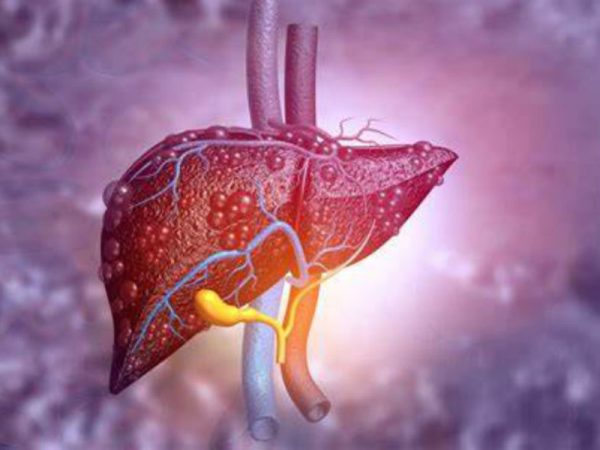
A liver transplant is a procedure in which a sick or malfunctioning liver is replaced with all or part of a healthy liver that has been donated. Mostly a healthy liver comes from a deceased organ donor. And sometimes a living person in good health might donate a part of their liver. The donor might be a family member or someone whose blood group is an adequate match.
Conditions where the transplant is needed:
Liver Cirrhosis
Acute Liver Failure
Uncommon metabolic diseases
The most likely condition for a transplant is liver cirrhosis. Alcohol consumption, Hepatitis A, B, and C, and Non-Alcoholic Fatty Liver Disease are the main causes of cirrhosis (NAFLD).
You can understand whether you need a liver transplant or not via your Child-Turcotte-Pugh (CTP), Model for End-Stage Liver Disease (MELD) and Pediatric End-stage Liver Disease (PELD) score. You can consult our team to understand these scores and get a better understanding with personalized recommendations.
Types of liver transplant
Living Donor Liver Transplant (LDLT): In this case, the donor is a willing living person who undergoes an operation in which either the left or right lobe of the liver is removed. Right lobe is bigger in size, hence better suited for adults whereas the left lobe is recommended for children.
Deceased Donor Liver Transplant (DDLT): Or Orthotopic liver transplant is the most common type in which the whole liver is extracted from a recently deceased donor. In this case, the donor has mostly pledged his/her organs for donation post-death.
Complications of Liver Transplant
Given below are some of the major issues with liver transplants:
The body rejects the new liver
Bleeding (hemorrhage)
Bile Leakage
Primary non-function of the new liver within the first few hours requires performing a new transplant as soon as possible.
Symptoms of cirrhosis where Liver Transplant may require:
Jaundice
Ascites (accumulation of fluid in the abdomen).
Hematemesis (Blood in vomitus).
Hepatic Encephalopathy (Loss of consciousness).
Development of liver cancer.
Stage -1: Pre-Assessment
Every patient in need of a liver transplant must undergo a thorough assessment. When you are referred to the Liver Transplant Program by your specialist or a member of our team, the assessment phase begins.
Stage -2: Eligibility
To go ahead with a transplant, You must be diagnosed and recommended by our experts or be referred by your clinician to the Liver Transplant Program. Each and every patient goes through a preliminary assessment after which a decision is reached for the transplantation process. A detailed analysis of your personal, medical, and family history is compiled through the process. The aim is to achieve :
Confirmation of whether the patient needs a transplant
Confirmation that the patient is fit enough to survive the surgery
Moreover, you’ll get information that will assist you in deciding whether you want to proceed with the transplant.
Consultations with the transplant team, which consists of a hepatologist, transplant surgeon, clinical coordinator, social worker, dietitian, and psychologist, are routine assessments. Appointments with experts from other fields are also made as needed.
Stage -3: Post-Liver Transplant Care
There will be a need for constant monitoring after surgery for infections and liver rejection. You will also need to take a number of medications to guard against rejection and common infections following your transplant.